
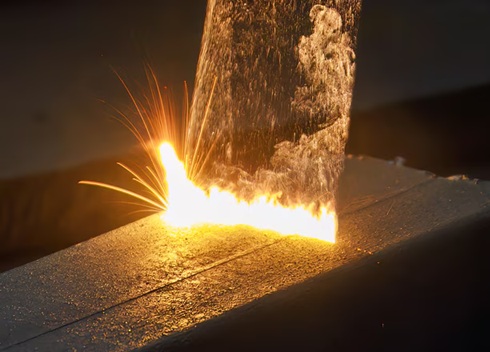
Laser ablation is a precise cleaning method that uses focused light energy to remove rust, paint, and other contaminants from metal surfaces without grinding away the base material. It is especially useful when you need controlled cleaning, minimal damage, and a cleaner finish than traditional blasting or chemical stripping.
Unlike sanding or abrasive blasting, the laser targets the unwanted layer directly. That means the rust or paint is removed while the metal underneath stays intact, which is a major advantage for valuable equipment and detailed components.
How It Works
The laser beam is directed at the surface in short, controlled pulses. Rust and paint absorb the energy differently than clean metal, so the coating breaks down and is lifted away.
This process is highly adjustable, which allows the operator to control:
- Cleaning depth.
- Speed.
- Heat exposure.
- Surface sensitivity.
That flexibility makes laser ablation useful for both heavy industrial work and more delicate restoration jobs.
Why It’s Effective on Rust
Rust forms on metal when oxidation begins eating into the surface. Laser ablation removes the oxidized layer efficiently and can expose clean metal underneath without the harsh friction of sanding or wire brushing.
It is especially helpful when rust is:
- On welded joints.
- In tight corners.
- On machinery with sensitive parts.
- On surfaces that need to be repainted or recoated afterward.
Because the process is clean and controlled, it can prepare metal for follow-up treatments like painting, sealing, or welding.
Why It’s Effective on Paint
Paint removal can be tricky when the coating is thick, layered, or applied to a complex surface. Laser ablation works well because it can strip paint without using chemicals or aggressive abrasion.
This is ideal when you need to preserve:
- Sharp edges.
- Fine detail.
- Stamped markings.
- Sensitive base metal.
It also avoids the mess and disposal issues that come with chemical paint strippers.
Common Use Cases
Laser ablation has a wide range of practical uses across industrial, commercial, and restoration settings.
- Heavy equipment restoration. It removes rust and old paint from excavators, loaders, farm equipment, and industrial machinery before repainting or maintenance.
- Manufacturing and fabrication. It cleans metal parts, molds, tooling, and fixtures to improve performance and surface condition.
- Automotive and specialty vehicle work. It can strip corrosion and coatings from frames, panels, brackets, and parts with precision.
- Marine and transport equipment. It helps remove corrosion and paint buildup from metal components exposed to moisture and weather.
- Historical and restoration projects. It can clean metal railings, decorative pieces, and architectural features while preserving the original surface.
- Maintenance preparation. It creates a clean surface for welding, bonding, coating, or inspection.
Benefits Over Traditional Methods
Laser ablation offers several advantages over sandblasting, grinding, and chemical stripping.
- No abrasive media mixed with rust or paints as blast sand is mixed with these when it is used to strip metal
- Less risk of damaging the base metal
- Cleaner work area.
- More precise results.
- Better for detailed or hard-to-reach surfaces.
- Less cleanup for ecologically sensitive areas such as areas near rivers or orchards like in the Okanagan valley
For many jobs, that means less cleanup, less rework, and better long-term results.
When It Makes the Most Sense
Laser ablation is a strong choice when surface quality matters. It is especially valuable for:
- Expensive equipment.
- Precision parts.
- Surfaces with logos, serial numbers, or markings.
- Jobs where downtime needs to be minimized.
- Projects requiring environmentally cleaner cleaning methods.
In terms of precision and surface preservation, it can save time and reduce damage.
Final Thoughts
Laser ablation is a modern and highly effective way to remove rust and paint from metal. It gives operators control, protects the base material, and works well on everything from industrial equipment to restoration projects.
For businesses that need clean, accurate, and dependable surface preparation, it is often one of the smartest tools available.
Leave a Reply